Juicy Roasted Chicken: Easy & Flavorful Dinner | by Tyla
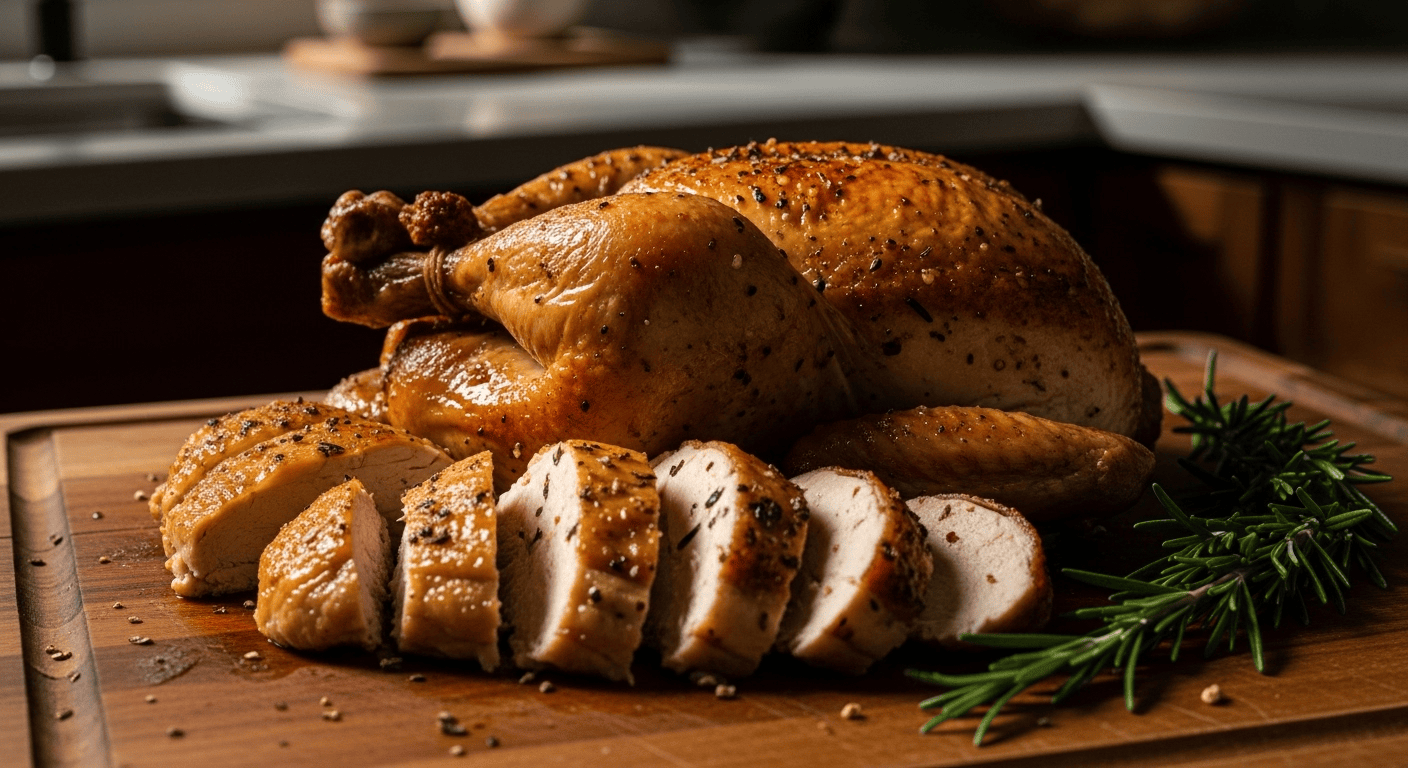
Perfectly juicy roasted chicken with crispy skin and tender meat. Our easy whole roast chicken recipe delivers incredible flavor in under 90 minutes—ideal for family dinners and special occasions.
Prep
15 min
Cook
75 min
Total
105 min
Servings
6 servings
Ingredients
Instructions
- 1
Preheat oven to 425°F (220°C). Line roasting pan with foil and place roasting rack inside.
- 2
Remove chicken from packaging and giblets from cavity. Pat chicken thoroughly dry inside and out with paper towels.
- 3
Combine olive oil, smoked paprika, garlic powder, onion powder, dried thyme, salt, and black pepper in small bowl to form paste.
- 4
Rub spice paste all over chicken, including under skin over breast and thighs.
- 5
Stuff cavity with halved lemon, garlic head, onion wedges, and optional fresh herbs.
- 6
Place chicken breast-side up on roasting rack in preheated oven.
- 7
Roast at 425°F (220°C) for 20-25 minutes to crisp skin.
- 8
Reduce temperature to 375°F (190°C) and continue roasting for 40-50 minutes until internal temperature reaches 165°F (74°C) in thickest part of thigh.
- 9
Remove chicken from oven, tent loosely with foil, and let rest for 10-15 minutes.
- 10
Carve and serve immediately with side dishes.
Notes
Tips for Success
- Golden, crispy skin
- Incredibly tender, flavorful meat
- Simple ingredients yield extraordinary results
- Hands-off cooking once in oven
- Versatile for various side dishes
Common Mistakes to Avoid
- Skin can become soggy if not patted dry
- Can dry out if overcooked or not rested properly
- Bottom may be soggy without roasting rack
- Uneven cooking possible with oven hot spots
Nutrition (per serving)
350-450 kcal
Calories
There’s something truly magical about a perfectly juicy roasted chicken emerging from the oven. The kitchen fills with an aroma that instantly evokes comfort, warmth, and the promise of a truly satisfying meal. With its golden, crispy skin and incredibly tender, flavorful meat, a whole roast chicken isn’t just dinner; it’s an experience. Forget dry, bland poultry – we’re about to unlock the secrets to a show-stopping bird that’s surprisingly easy to make and guaranteed to impress every time. Whether you’re a seasoned home cook or new to roasting, get ready to master the art of the ultimate family meal.
Table of Contents
Ingredients
Creating a fantastic whole roast chicken recipe starts with quality ingredients. Here’s what you’ll need to make your bird incredibly flavorful and moist.
- 1 (3-4 pound) whole chicken: Look for a free-range or organic bird if possible for best flavor. Ensure it’s fully thawed if frozen.
- 2 tablespoons olive oil: Or any neutral cooking oil like avocado or grapeseed oil.
- 2 teaspoons smoked paprika: Adds depth and a beautiful golden color.
- 1 teaspoon garlic powder: Essential for that savory kick.
- 1 teaspoon onion powder: Complements the garlic beautifully.
- 1 teaspoon dried thyme: A classic herb that pairs wonderfully with chicken.
- 1 teaspoon salt: Kosher salt or sea salt preferred. Adjust to your taste.
- ½ teaspoon black pepper: Freshly ground is always best.
- 1 lemon: Halved, for stuffing inside the cavity.
- 1 head garlic: Cut in half horizontally (not peeled), for stuffing.
- ½ onion: Cut into large wedges, for stuffing.
- Optional: Fresh rosemary or sage sprigs for extra aromatic flavor in the cavity.
Ingredient Notes and Substitutions:
- Herbs: Feel free to experiment with other dried or fresh herbs like oregano, basil, or a poultry seasoning blend.
- Spices: If you don’t have smoked paprika, regular paprika works, but you’ll miss a bit of that smoky undertone. Chili powder can add a slight kick.
- Stuffing: The lemon, garlic, and onion are primarily for aroma and to infuse flavor into the chicken from the inside. They are not meant for consumption after roasting. You can skip them if you prefer, but they really do make a difference to the overall aroma and subtle flavor.
- Chicken Size: A 3-4 pound chicken is ideal for quicker cooking and even roasting. If you use a larger bird (5-6 pounds), you’ll need to increase roasting time, and potentially lower the temperature slightly after the initial high-heat blast to ensure it cooks through without drying out.
Timing
One of the best things about making easy roasted chicken is that it doesn’t take all day, but the results taste like it did!
- Prep time: 15 minutes
- Cook time: 60-75 minutes (for a 3-4 pound chicken)
- Resting time: 10-15 minutes
- Total time: Approximately 1 hour 35 minutes to 1 hour 45 minutes
Time-Saving Tips:
- Prep Ahead: You can mix your spice blend ahead of time and store it in an airtight container.
- Preheat Oven: Get your oven preheating while you’re prepping the chicken to save a few minutes.
- No Brining Needed: This recipe focuses on simple techniques for juiciness, so you can skip the brining step typically found in some roast chicken recipes, which significantly cuts down on prep time. For another take on achieving a perfectly moist bird, you might find some interesting methods on sites like Inspired Taste’s Simply Roasted Chicken.
- Hands-Off Cooking: Once the chicken is in the oven, your job is mostly done until it’s time to check the temperature. This allows you to focus on side dishes or simply relax!
Step-by-Step Instructions
Follow these simple steps to achieve a perfectly juicy roasted chicken every time.
- Preheat Oven & Prep Pan: Preheat your oven to 425°F (220°C). Line a roasting pan or a large baking sheet with foil for easier cleanup. If you have a roasting rack, place it in the pan; this helps with air circulation for crispier skin.
- Prepare the Chicken: Remove the chicken from its packaging. Take out any giblets or neck from the cavity. Pat the chicken thoroughly dry, inside and out, with paper towels. This is a crucial step for crispy skin!
- Season the Chicken: In a small bowl, combine the olive oil, smoked paprika, garlic powder, onion powder, dried thyme, salt, and black pepper. Mix until a paste forms.
- Apply the Rub: Rub the spice paste all over the chicken, making sure to get into every nook and cranny. For extra crispy skin and flavor, gently lift the skin over the breast and thighs and rub some of the mixture directly onto the meat.
- Stuff the Cavity: Place the halved lemon, garlic head, and onion wedges (and optional fresh herbs) inside the chicken cavity. You don’t need to tie the legs, but you can if you prefer a more compact presentation.
- Roast the Chicken: Place the seasoned chicken breast-side up on the roasting rack in the preheated oven.
- Initial High-Heat Roast: Roast at 425°F (220°C) for 20-25 minutes. This high heat helps to crisp up the skin beautifully and render some of the fat.
- Lower Temperature & Continue Roasting: Reduce the oven temperature to 375°F (190°C) and continue roasting for another 40-50 minutes, or until the internal temperature reaches 165°F (74°C) when measured with a meat thermometer in the thickest part of the thigh (without touching the bone). Basting isn’t strictly necessary for this recipe due to the initial high heat and oil rub, but if you like, you can baste once or twice with pan juices during the lower temperature phase. For a deeper dive into various roasting techniques and understanding internal temperatures, RecipeTin Eats offers a comprehensive guide to roast chicken that’s quite informative.
- Rest the Chicken: Once cooked, carefully remove the chicken from the oven. Tent it loosely with foil and let it rest for 10-15 minutes before carving. This resting period is vital, as it allows the juices to redistribute throughout the meat, ensuring every bite is incredibly tender and juicy. Don’t skip this step!
- Carve and Serve: Carve the chicken and serve immediately with your favorite side dishes. For the complete, printer-friendly recipe card you’re about to read, click here.
Healthier Alternatives for the Recipe
Making a juicy roasted chicken doesn’t mean sacrificing health. Here are some ways to keep it nutritious and delicious:
- Reduce Sodium: If you’re watching your sodium intake, reduce the amount of salt in the rub and rely more on herbs and spices for flavor. Fresh herbs like rosemary, thyme, and sage add a ton of flavor without extra salt.
- Less Fat: While olive oil is healthy, you can reduce the amount slightly or use a cooking spray for the initial rub to minimize fat content. The chicken fat will render out during cooking anyway.
- Skin or No Skin? The skin is where a lot of the fat and calories reside. While delicious and crispy, removing the skin before eating significantly reduces the fat content per serving.
- Load Up on Veggies: Roast vegetables like carrots, potatoes, onions, and bell peppers in the same pan as the chicken. They’ll absorb the delicious chicken drippings, making them incredibly flavorful and adding extra nutrients to your meal. This is a fantastic way to create a full, balanced meal in one pan.
Serving Suggestions
A whole roast chicken recipe is incredibly versatile and pairs well with a variety of sides.
- Classic Comfort: Mashed potatoes (or cauliflower mash for a lighter option) and roasted asparagus or green beans are always a winner.
- Hearty Grains: Serve alongside quinoa, brown rice, or a wild rice pilaf.
- Simple Salads: A fresh garden salad with a light vinaigrette provides a nice contrast to the richness of the chicken.
- Bread Basket: Crusty bread is perfect for soaking up any pan juices.
- Inspired Pairings: If you’re looking for something different, consider making a delicious Moroccan-inspired dish. While this recipe is for a traditional roast, you might find inspiration for pairing flavors by checking out our Easy Moroccan Chicken Tagine recipe for an exotic twist on chicken dinner.
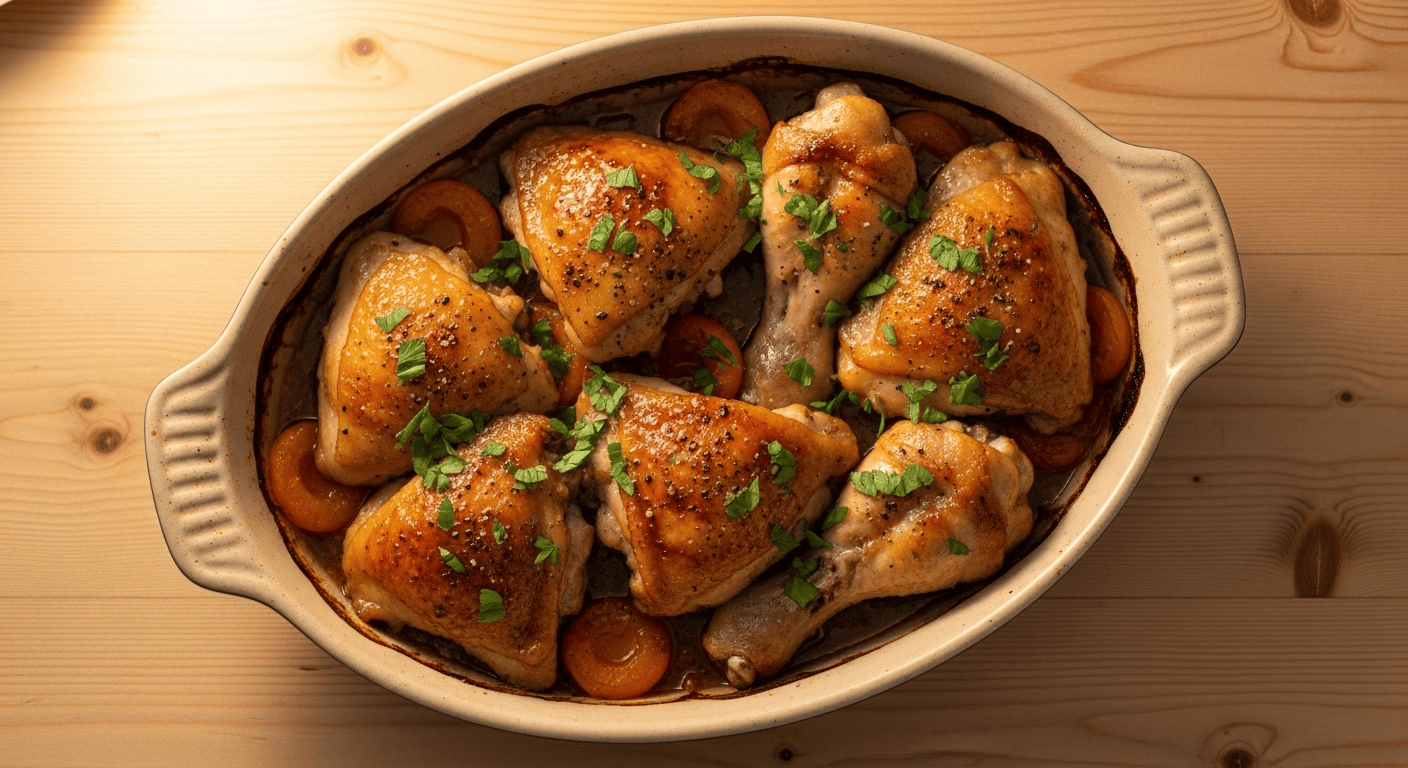
- Fruity Sides: The lemon in the chicken’s cavity already hints at fruity pairings. A side of roasted apples or a cranberry sauce could add a unique sweet and savory element. For another fantastic chicken dish that incorporates fruit, check out our Baked Apricot Chicken Recipe.
Common Mistakes to Avoid
Even an easy roasted chicken can go wrong if you’re not careful. Avoid these common pitfalls for perfect results every time:
- Not Patting Dry: This is the number one culprit for soggy skin. Moisture on the skin prevents it from crisping up. Always pat your chicken thoroughly dry with paper towels.
- Overcrowding the Pan: If you’re roasting vegetables with your chicken, ensure there’s enough space. Overcrowding leads to steaming instead of roasting, resulting in soft veggies and potentially less crispy chicken.
- Not Resting the Chicken: Skipping the resting step is a cardinal sin in roasting. The juices inside the chicken are bubbling and moving during cooking. If you cut into it immediately, those juices will run out, leaving you with dry meat. Resting allows them to settle back into the muscle fibers, resulting in a truly juicy bird.
- Eyeballing Doneness: Don’t guess! A meat thermometer is your best friend here. Chicken needs to reach 165°F (74°C) in the thickest part of the thigh. Undercooking is unsafe, and overcooking leads to dry, stringy meat. Many popular recipes, including Allrecipes’ popular Juicy Roasted Chicken, emphasize the importance of correct temperature.
- Forgetting to Season: Don’t be shy with your seasoning! A whole chicken needs a generous rub to ensure flavor penetrates beyond the skin.
- Not Using High Heat Initially: Starting with a high temperature helps achieve that beautiful, crispy skin and jump-starts the cooking process.
Storing Tips for the Recipe
Proper storage ensures your leftover juicy roasted chicken stays delicious and safe to eat.
- Cool Quickly: Once carved, allow the chicken to cool to room temperature within two hours.
- Airtight Container: Transfer leftover chicken meat (off the bone is easiest) to an airtight container. This protects it from air exposure and keeps it from drying out.
- Refrigeration: Store in the refrigerator for up to 3-4 days.
- Freezing: For longer storage, you can freeze cooked chicken for up to 2-3 months. Portion it into freezer-safe bags or containers. Thaw overnight in the refrigerator before reheating.
- Reheating: Reheat chicken gently to avoid drying it out. A microwave works for quick reheating, but for best results, reheat in the oven at 300°F (150°C) with a splash of broth or water until warmed through. You can also shred it and add it to soups, salads, sandwiches, or casseroles.
Troubleshooting Common Issues
Even with an easy roasted chicken, questions can pop up. Here’s how to handle common issues:
- Chicken Skin Isn’t Crispy:
- Cause: Not patting the chicken dry enough, overcrowding the pan, or too low oven temperature.
- Fix: Ensure chicken is bone-dry before seasoning. Use a roasting rack. If skin isn’t crisping towards the end, blast it at 450°F (230°C) for the last 5-10 minutes (watch carefully to prevent burning).
- Chicken is Dry:
- Cause: Overcooked or not rested properly.
- Fix: Always use a meat thermometer and pull the chicken out at 165°F (74°C). Crucially, let it rest for 10-15 minutes tented with foil. This redistributes the juices, making the meat moist.
- Bottom of Chicken is Soggy:
- Cause: Not using a roasting rack or pan drippings accumulating and steaming the bottom.
- Fix: Always use a roasting rack! It allows air to circulate around the entire bird, promoting even cooking and crispy skin all over.
- Uneven Cooking:
- Cause: Oven hot spots, or the chicken wasn’t room temperature when it went in.
- Fix: If you know your oven has hot spots, rotate the pan halfway through cooking. For best results, let the chicken sit out at room temperature for about 30-60 minutes before roasting (never longer than 2 hours for food safety).
Nutritional Information per Serving
Please note: This is an estimated nutritional breakdown for a 3-4 lb roasted chicken, assuming 6 servings, without skin, and based on standard ingredient calculations. Actual values may vary based on specific brands, exact measurements, and whether skin is consumed.
- Calories: ~350-450 kcal
- Protein: ~45-55g
- Carbohydrates: ~2-5g
- Fat: ~15-25g
- Saturated Fat: ~4-7g
- Cholesterol: ~120-150mg
- Sodium: ~400-600mg (can be reduced by using less salt)
- Potassium: ~400-500mg
- Key Nutrients: Excellent source of Niacin, Vitamin B6, Phosphorus, and Selenium.
Nutritional values provided are estimates only. For precise dietary information, it’s recommended to calculate based on the specific ingredients and quantities used.
FAQ
Q: Do I need to wash the chicken before cooking?
A: No, it’s generally recommended not to wash raw chicken. Washing can spread bacteria around your sink and kitchen surfaces, increasing the risk of cross-contamination. Patting it dry with paper towels is sufficient and safer.
Q: Can I use different herbs and spices?
A: Absolutely! This recipe is a fantastic base. Feel free to customize the spice rub with your favorite flavors. Rosemary, sage, oregano, smoked paprika, chili powder, and even a touch of cumin can all work beautifully. Adjust the salt and pepper to your taste.
Q: What if my chicken is larger than 4 pounds?
A: For a larger chicken (e.g., 5-6 pounds), you’ll need to increase the roasting time. After the initial 20-25 minutes at 425°F (220°C), reduce the temperature to 375°F (190°C) and continue roasting for an additional 60-90 minutes, or until a meat thermometer inserted into the thickest part of the thigh reads 165°F (74°C). Always rely on the thermometer, not just time.
Q: Why is my chicken skin not crispy?
A: The most common reasons are moisture on the skin (not patting dry), not using high enough initial heat, or overcrowding the roasting pan (which causes steaming instead of roasting). Ensure your chicken is thoroughly dry, start with a high oven temperature, and use a roasting rack.
Q: Can I stuff the chicken cavity with actual stuffing?
A: While you can, it’s not recommended for food safety and even cooking. Stuffing acts as an insulator, significantly increasing the cooking time for the chicken. The stuffing itself also needs to reach a safe internal temperature of 165°F (74°C), which can lead to overcooked, dry chicken meat. It’s best to cook stuffing separately.
Conclusion
There you have it – the definitive guide to making a truly magnificent, juicy roasted chicken with crispy skin and tender, flavorful meat. This isn’t just a recipe; it’s a testament to the power of simple ingredients and straightforward techniques that yield extraordinary results. Imagine the delighted faces around your dinner table as you present this golden masterpiece, knowing every bite is a testament to your newfound roasting prowess. So go ahead, grab that bird, fire up your oven, and prepare to elevate your home cooking game. We promise, once you master this, it’s a recipe you’ll return to again and again.
Did you try this recipe? We’d love to hear about it! Leave a review below or share your delicious creation on social media using #RecipesByTyla. Don’t forget to Pin this recipe to your dinner ideas board on Pinterest so you can always find it!