Homemade Balsamic Vinaigrette: Quick & Easy Salad Dressing
Make the best homemade balsamic vinaigrette in 5 minutes with simple ingredients. Perfect easy salad dressing for caprese, beet salad, and all your favorite greens.
Prep
5 min
Cook
N/A
Total
5 min
Servings
16 servings (1 tablespoon each)
Ingredients
Instructions
- 1
In a medium bowl or jar with tight-fitting lid, combine balsamic vinegar, Dijon mustard, minced garlic (or garlic powder), maple syrup (or honey), salt, and pepper.
- 2
Whisk vigorously or shake well for 15-20 seconds until ingredients are well combined and salt is dissolved.
- 3
While whisking constantly or pouring slowly into jar, gradually drizzle in the extra virgin olive oil.
- 4
Continue whisking or shaking until dressing is thick, creamy, and uniform.
- 5
Taste the dressing and adjust seasoning as needed – add more salt, sweetness, or pepper to balance flavors.
- 6
Serve immediately or store in refrigerator for later use.
Notes
Tips for Success
- Bright, tangy, and perfectly balanced flavor
- Ready in just 5 minutes
- Uses simple, fresh ingredients
- Versatile for salads, roasted vegetables, and marinades
- Healthier than store-bought dressings
Common Mistakes to Avoid
- Can separate if oil is added too quickly
- May be too tangy if sweetener is reduced
- Fresh garlic flavor can become stronger over time
- Olive oil solidifies and appears cloudy when refrigerated
- Limited shelf life of 1-2 weeks
Nutrition (per serving)
80-95 kcal
Calories
Introduction
Tired of store-bought salad dressings that are full of unpronounceable ingredients and lackluster flavor? It’s time to revolutionize your salad game with the most incredible homemade balsamic vinaigrette you’ll ever make! This isn’t just a recipe; it’s a gateway to fresher, more vibrant meals, proving that the best flavors often come from the simplest, freshest ingredients. Get ready to ditch the dull and embrace a dressing that’s bright, tangy, and perfectly balanced, ready in just 5 minutes.
Making your own balsamic vinaigrette is not only incredibly simple but also allows you to control the quality of ingredients and tailor the flavor profile to your exact liking. Whether you’re tossing it with crisp greens, drizzling it over roasted vegetables, or marinating chicken, this versatile dressing will quickly become a staple in your kitchen. It’s truly an easy salad dressing that elevates any dish, and once you try it, you’ll wonder why you ever bought it from the store!
Table of Contents
- Ingredients
- Timing
- Step-by-Step Instructions
- Healthier Alternatives for the Recipe
- Serving Suggestions
- Common Mistakes to Avoid
- Storing Tips for the Recipe
- Troubleshooting Common Issues
- Nutritional Information per Serving
- FAQ
- Conclusion
Ingredients
Making a fantastic homemade balsamic vinaigrette relies on a handful of quality ingredients. Think of this as your core team – each one plays a crucial role!
- 1/2 cup good quality extra virgin olive oil: This is the base of your vinaigrette, so choose one you love the taste of. A fruity, slightly peppery olive oil works wonders.
- 1/4 cup balsamic vinegar: The star of the show! Look for a balsamic vinegar that has a good balance of sweetness and acidity. While you don’t need a super expensive aged variety, avoid the cheapest options that can taste overly sharp. For more insight on choosing the best balsamic vinegar, you might find this general balsamic vinaigrette guide on Allrecipes helpful for understanding different vinegar types.
- 1 tablespoon Dijon mustard: This isn’t just for flavor; Dijon acts as an emulsifier, helping the oil and vinegar stay together. Don’t skip it! A classic, creamy Dijon is perfect.
- 1 clove garlic, minced (or 1/2 teaspoon garlic powder): Fresh garlic adds a pungent, vibrant kick. If you’re short on time or prefer a milder flavor, garlic powder works too.
- 1 tablespoon maple syrup or honey: Just a touch of sweetness helps to balance the acidity of the vinegar. You can adjust this to your personal preference.
- 1/2 teaspoon salt: Fine sea salt or kosher salt is best.
- 1/4 teaspoon black pepper: Freshly ground makes a huge difference in flavor.
Timing
One of the best things about making your own homemade balsamic vinaigrette is how incredibly fast it is!
- Prep time: 5 minutes
- Cook time: 0 minutes
- Total time: 5 minutes
Time-Saving Tips:
- Batch prep: Make a larger batch once a week to have on hand for all your meals.
- Garlic hack: Keep a jar of pre-minced garlic in your fridge, or use garlic powder for super-speedy prep.
- Shake it up: Use a mason jar or a bottle with a tight-fitting lid for quick mixing and easy storage.
Step-by-Step Instructions
Ready to whip up your new favorite easy salad dressing? Let’s get to it!
- Combine the Non-Oil Ingredients: In a medium bowl or a jar with a tight-fitting lid, combine the balsamic vinegar, Dijon mustard, minced garlic (or garlic powder), maple syrup (or honey), salt, and pepper.
- Whisk or Shake: If using a bowl, whisk vigorously until all these ingredients are well combined. If using a jar, close the lid tightly and shake well for about 15-20 seconds. This initial mixing helps dissolve the salt and pepper and distributes the garlic evenly.
- Slowly Add Olive Oil: While continuing to whisk constantly (or with the lid off the jar, pouring slowly), gradually drizzle in the extra virgin olive oil. This slow addition is key to creating a beautiful emulsion, which means the oil and vinegar will blend together rather than separating immediately. Whisk or shake until the dressing is thick, creamy, and uniform.
- Taste and Adjust: This is the fun part! Taste a small spoonful of your homemade balsamic vinaigrette. Does it need more salt? A little more sweetness? A touch more pepper? Adjust to your personal preference. Remember, the goal is balance!
- Serve or Store: Your fresh balsamic vinaigrette is ready to use immediately! Drizzle it over your favorite salads, roasted vegetables, or use as a marinade. For details on how to use it with various dishes, you can always refer back to our comprehensive guide on homemade balsamic vinaigrette for ideas.
Healthier Alternatives for the Recipe
Making your own dressing is already a step towards healthier eating, but here are a few ways to customize this balsamic dressing recipe even further:
- Reduce Sweetener: If you’re watching your sugar intake, you can reduce or even omit the maple syrup or honey. Just be aware the dressing will be tangier.
- Lower Sodium: Use a low-sodium Dijon mustard and reduce the added salt. Taste as you go!
- Add Herbs: Fresh herbs like finely chopped basil, oregano, or thyme can add extra flavor and nutrients without adding significant calories.
- Boost Nutrients with Seeds: A pinch of chia seeds or ground flax seeds can add healthy omega-3s, fiber, and also act as a natural thickener.
- Lemon Juice Boost: A squeeze of fresh lemon juice can enhance the brightness and acidity, allowing you to potentially reduce the amount of balsamic vinegar slightly if you prefer.
Serving Suggestions
This homemade balsamic vinaigrette is incredibly versatile. It’s much more than just a salad dressing!
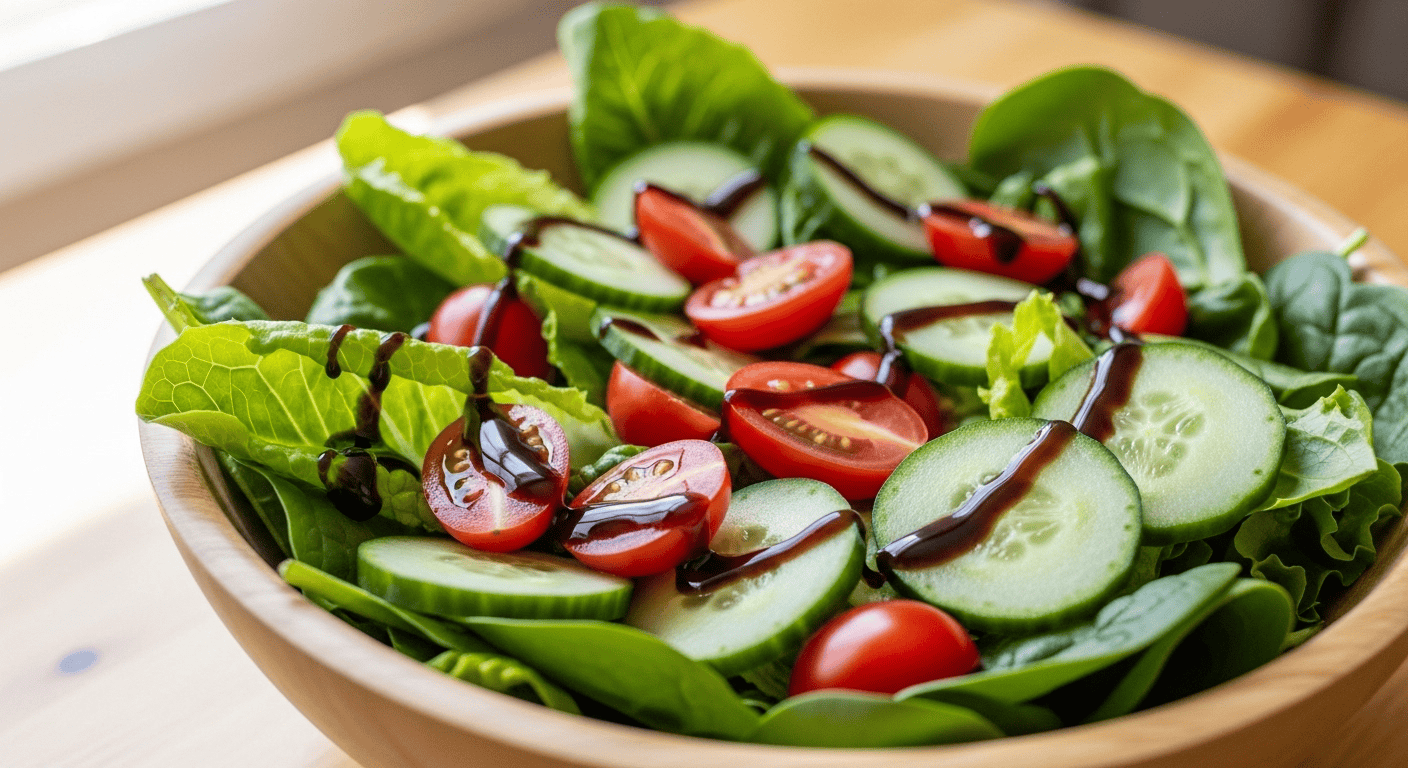
- Classic Green Salads: The most obvious choice! Toss with mixed greens, cherry tomatoes, cucumbers, and perhaps some crumbled feta or goat cheese.
- Caprese Salad: Drizzle generously over slices of fresh mozzarella, ripe tomatoes, and basil leaves. It’s the perfect finishing touch. For a full recipe, check out our easy Caprese salad recipe.
- Beet and Goat Cheese Salad: A match made in heaven! The sweetness of the beets and the tang of goat cheese are beautifully complemented by this vinaigrette. Our goat cheese beet salad recipe would be fantastic with this dressing.
- Roasted Vegetables: Toss roasted broccoli, asparagus, Brussels sprouts, or bell peppers with the vinaigrette after they come out of the oven for a burst of flavor.
- Marinade: Use it to marinate chicken, fish, or tofu before grilling or baking for added tenderness and flavor.
- Grain Bowls: Elevate your quinoa or farro bowls with a generous drizzle.
- Sandwiches & Wraps: A little vinaigrette can add a gourmet touch to your deli sandwiches or wraps.
- Fruit Salad (yes, really!): A light drizzle over strawberries, peaches, or watermelon can be surprisingly delicious.
Common Mistakes to Avoid
Even a simple recipe can go wrong if you’re not careful. Here are a few pitfalls to sidestep for the best homemade balsamic vinaigrette:
- Using Low-Quality Ingredients: The fewer the ingredients, the more each one matters. Cheap olive oil or overly acidic balsamic vinegar will result in a mediocre dressing. Invest a little in good quality.
- Not Emulsifying Properly: Dumping all the oil in at once will prevent the dressing from coming together. Drizzle it in slowly while whisking vigorously to create that creamy, cohesive texture. A good emulsification, as highlighted by Cookie and Kate’s balsamic vinaigrette recipe tips, is key for a well-balanced dressing.
- Skipping the Dijon: Dijon mustard isn’t just for flavor; it’s a natural emulsifier. Omitting it makes it harder for your oil and vinegar to blend and stay blended.
- Not Tasting and Adjusting: Your taste buds are unique! Always taste your dressing and adjust the salt, sweetness, or acidity to suit your palate.
- Forgetting to Shake Before Each Use: Even with proper emulsification, some separation is natural over time. Always give your dressing a good shake or whisk before each use to re-combine the ingredients.
- Over-Dressing Your Salad: Start with a little and add more. It’s easier to add more dressing than to take it away, and nobody likes a soggy salad!
Storing Tips for the Recipe
Once you’ve made your delicious homemade balsamic vinaigrette, you’ll want to store it properly to keep it fresh and flavorful.
- Container: An airtight jar (like a mason jar) or a bottle with a tight-fitting lid is ideal. This prevents air exposure and keeps the flavors locked in.
- Refrigeration: Always store your vinaigrette in the refrigerator. Because it contains fresh garlic and no preservatives, chilling is essential for safety and freshness.
- Shelf Life: Your homemade balsamic vinaigrette will last for about 1-2 weeks in the refrigerator. You might notice the olive oil solidifying and appearing cloudy when cold; this is completely normal. Just let it sit at room temperature for 15-30 minutes before serving, then give it a good shake to re-emulsify.
- No Freezing: Vinaigrettes do not freeze well due to the oil and vinegar separation and the texture changes it can cause. Stick to refrigeration.
Troubleshooting Common Issues
Don’t fret if your balsamic vinaigrette doesn’t turn out perfect the first time. Here are some common issues and how to fix them:
- My dressing is separated and won’t emulsify!
- Solution: This usually means you added the oil too quickly or didn’t whisk vigorously enough. Try adding another teaspoon of Dijon mustard (a powerful emulsifier!) and whisking or shaking very, very vigorously for another minute or two. You can also try adding a tiny splash of hot water (about 1/2 teaspoon) and whisking again; the heat can sometimes help bring it together.
- My dressing is too acidic/tangy!
- Solution: Add a little more maple syrup or honey, about 1/2 teaspoon at a time, until the balance feels right. A tiny pinch of salt can also sometimes temper acidity.
- My dressing is too sweet!
- Solution: Add a touch more balsamic vinegar, about 1/2 teaspoon at a time, or a tiny squeeze of fresh lemon juice.
- My dressing tastes bland!
- Solution: This usually means it needs more salt, pepper, or garlic. Adjust these seasonings to your liking. Don’t be afraid to add a bit more of what you love!
- It’s too thick!
- Solution: If you prefer a thinner consistency, add a teaspoon or two of warm water or a little more balsamic vinegar, whisking well to combine.
As emphasized by experts like Culinary Hill’s balsamic vinaigrette recipe, achieving the perfect balance is all about tasting and adjusting. Practice makes perfect!
Nutritional Information per Serving
Please note: Nutritional information is an estimate and can vary based on specific ingredient brands, quantities used, and serving size. This is provided for general guidance only, assuming approximately 16 servings (1 tablespoon each).
- Calories: 80-95 kcal
- Protein: <1 g
- Carbohydrates: 2-3 g
- Sugars: 2 g
- Fat: 9-11 g
- Saturated Fat: 1-1.5 g
- Sodium: 70-90 mg
- Key Nutrients: Contains healthy monounsaturated fats from olive oil. Small amounts of potassium and vitamin K.
FAQ
Can I use a different type of vinegar?
Yes, absolutely! While balsamic is key for this particular easy salad dressing, you can experiment. Red wine vinegar, white wine vinegar, or even apple cider vinegar can be used to make other delicious vinaigrettes. Just note that the flavor profile will change significantly, so you might need to adjust the sweetener and other seasonings to balance the acidity.
How can I make this dressing dairy-free or gluten-free?
Good news! This homemade balsamic vinaigrette recipe is naturally both dairy-free and gluten-free, assuming you use standard balsamic vinegar, olive oil, and Dijon mustard. Always check your specific mustard brand if you have severe gluten sensitivities, as some processed mustards can contain hidden gluten.
What’s the best way to store fresh garlic if I don’t use it often?
To keep fresh garlic longer, store whole, unpeeled bulbs in a cool, dry, dark place (like a pantry) in an open container, allowing air circulation. Avoid refrigerating whole bulbs, as it can promote sprouting. Once cloves are separated or minced, they should be stored in an airtight container in the fridge and used within a few days.
Can I add other flavors to my homemade balsamic vinaigrette?
Definitely! That’s the beauty of making it yourself. You can add finely chopped shallots for a milder onion flavor, a pinch of dried Italian herbs, a dash of red pepper flakes for heat, or even a squeeze of fresh orange juice for a citrusy twist. Freshly grated Parmesan cheese can also be whisked in right before serving for a savory kick.
Why is my vinaigrette cloudy when I take it out of the fridge?
The cloudiness is simply due to the olive oil solidifying when it gets cold. This is a completely normal physical property of olive oil and doesn’t affect its quality or safety. Just let the dressing sit at room temperature for 15-30 minutes, give it a good shake, and it will return to its liquid, clear state.
Conclusion
And there you have it – your new secret weapon for delicious, fresh, and vibrant meals! This homemade balsamic vinaigrette isn’t just an easy salad dressing; it’s a testament to how simple ingredients, handled with a little love, can create extraordinary flavor. Ditch the bottled stuff, embrace the whisk, and savor the difference that fresh, wholesome ingredients make. You’re now equipped to elevate everything from your everyday greens to your most impressive culinary creations.
We hope you love this balsamic dressing recipe as much as we do! Don’t forget to leave a review below and let us know your favorite ways to use it. Or, better yet, snap a photo and share your creations on Pinterest – we can’t wait to see them! Happy dressing!
Why This Balsamic Vinaigrette Works
The emulsification step — whisking the oil in slowly while the other ingredients are already combined — is what keeps the dressing from separating into an oily pool within minutes. A small amount of Dijon mustard acts as the emulsifier that bridges the water-based vinegar and the oil. The ratio of oil to vinegar in a balsamic vinaigrette should be closer to 2:1 rather than the standard 3:1 — balsamic is sweeter and less acidic than other vinegars, and the lower oil ratio keeps the dressing from tasting flat. A pinch of sugar balances any bitterness in cheap balsamic; with a good-quality aged balsamic, omit it.