Leftover Turkey Carcass Soup: Best Post-Holiday Comfort | by Tyla
Transform your leftover turkey carcass into the most comforting post-Thanksgiving soup. This easy turkey carcass soup recipe makes the most of holiday leftovers for a delicious, nourishing meal.
Prep
20 min
Cook
4 hr 30 min
Total
5 hr
Servings
Multiple servings
Ingredients
Instructions
- 1
Break turkey carcass into smaller pieces to fit in stockpot. Save any meat bits for finished soup.
- 2
Place carcass, quartered onion, roughly chopped carrots, celery, garlic, bay leaf, peppercorns, apple cider vinegar (if using), and parsley stems into large stockpot.
- 3
Pour in enough cold water to fully submerge carcass and vegetables (10-12 cups).
- 4
Bring to gentle simmer over medium-high heat. Skim off foam and scum that rises to surface.
- 5
Reduce heat to low, cover partially, and simmer for 3-4 hours.
- 6
Remove carcass and large vegetable pieces with tongs or slotted spoon. Discard.
- 7
Strain broth through fine-mesh sieve into clean container.
- 8
Cool completely and refrigerate for several hours or overnight to solidify fat for easy removal.
- 9
In clean pot, heat olive oil over medium heat. Sauté diced onions, carrots, and celery for 5-7 minutes until softened.
- 10
Add skimmed turkey broth and bring to boil. Reduce to simmer.
- 11
Add fresh vegetables and shredded turkey meat.
- 12
Add pasta and cook according to package directions until al dente (8-12 minutes).
- 13
Season generously with salt and pepper. Garnish with fresh parsley or dill and serve.
Notes
Tips for Success
- Nourishing, flavor-packed broth
- Soul-warming and incredibly satisfying
- Celebrates resourcefulness and comfort food
- Rich, comforting essence of turkey
- Tender vegetables and fragrant herbs
Common Mistakes to Avoid
- Requires patience for simmering broth (3-4 hours)
- Can become cloudy if boiled too vigorously
- Pasta can get mushy if overcooked
- Requires careful skimming of impurities
- Needs proper cooling for fat removal
Nutrition (per serving)
200-280 kcal
Calories
Welcome, fellow food lovers! Are you staring at a stripped turkey carcass after the holiday feast, wondering what culinary magic you can conjure next? You’ve come to the right place! We’re about to transform those delicious bones into the most nourishing, flavor-packed Leftover Turkey Carcass Soup you’ve ever tasted. Forget bland, watery broth; this recipe is all about extracting every last bit of savory goodness to create a soul-warming, incredibly satisfying meal that truly celebrates the spirit of resourcefulness and comfort food.
Table of Contents
This isn’t just about using up leftovers; it’s about crafting a homemade stock that forms the foundation of an exceptionally flavorful soup. Think tender vegetables, fragrant herbs, and the rich, comforting essence of turkey, all simmered together to perfection. Get ready to fill your kitchen with irresistible aromas and your belly with pure joy.
Ingredients
Making a fantastic Leftover Turkey Carcass Soup starts with good ingredients, but don’t fret – many of them are pantry staples or what you likely have on hand post-holiday. The beauty of this soup is its flexibility!
- 1 turkey carcass (from a 10-14 lb turkey, bones picked clean): Don’t discard the neck or any giblets (excluding the liver) if you have them – add them for extra flavor!
- 1 large yellow onion: Quartered, no need to peel. We’re extracting flavor for the broth, not eating the whole chunks.
- 3 carrots: Roughly chopped.
- 3 celery stalks: Roughly chopped.
- 4-5 cloves garlic: Smashed or roughly chopped.
- 1 bay leaf: Essential for that classic soup aroma.
- 1 teaspoon black peppercorns: Adds a subtle warmth and depth.
- 1 tablespoon apple cider vinegar (optional): Helps extract minerals from the bones, making a richer broth.
- 1/2 cup fresh parsley: Stems included for the broth, chopped leaves for garnish later.
- 1 teaspoon dried thyme (or 3-4 sprigs fresh thyme): A comforting herb that pairs perfectly with turkey.
- 10-12 cups cold water: Or enough to fully submerge the turkey carcass in your pot.
- 2 tablespoons olive oil (for sautéing vegetables):
- 2 cups chopped mixed vegetables (for the soup): Think diced carrots, celery, peas, corn, green beans – whatever you love!
- 1 cup cooked turkey meat (shredded or diced): Any bits you managed to pick off the carcass or leftover slices.
- 1 cup small pasta (e.g., ditalini, orzo, small shells): Or 1 cup cooked rice/quinoa for a gluten-free option.
- Salt and freshly ground black pepper: To taste.
- Fresh dill or parsley: For garnish.
Timing
While making Leftover Turkey Carcass Soup is largely hands-off, it does require a bit of patience to coax all that incredible flavor out of the bones.
- Prep Time: 20 minutes (mostly chopping for the broth and soup vegetables)
- Cook Time: 3-4 hours (for simmering the broth) + 30 minutes (for finishing the soup)
- Total Time: Approximately 4-5 hours
Time-Saving Tips:
- Broth Ahead: Make the turkey broth a day or two in advance. Store it in the fridge, then skim the fat before making the soup.
- Pre-chopped Veggies: Buy pre-chopped mirepoix (onions, carrots, celery) for the soup base if you’re really short on time.
- Instant Pot/Pressure Cooker: You can significantly reduce broth simmering time to 60-90 minutes on high pressure in an Instant Pot.
Step-by-Step Instructions
Ready to turn those bones into liquid gold? Here’s how to make your incredible Leftover Turkey Carcass Soup:
- Prepare the Carcass: Ensure your turkey carcass is as clean of meat as possible (save those bits for the finished soup!). Break it into smaller pieces if needed to fit comfortably in your largest stockpot or Dutch oven. Don’t be shy – get in there!
- Make the Broth Base: Place the turkey carcass, quartered onion (unpeeled is fine!), roughly chopped carrots, celery stalks, smashed garlic cloves, bay leaf, black peppercorns, apple cider vinegar (if using), and parsley stems into your large stockpot.
- Cover with Water: Pour in enough cold water to fully submerge the carcass and vegetables, typically 10-12 cups. Cold water is key here, as it gradually extracts flavors and impurities, leading to a clearer broth.
- Simmer, Don’t Boil: Bring the pot to a gentle simmer over medium-high heat. As it heats, foam and scum will rise to the surface. Use a ladle or a fine-mesh skimmer to carefully remove this. This step is important for a clear, clean-tasting broth. Reduce heat to low, cover partially, and let it simmer for at least 3-4 hours. The longer it simmers, the richer the flavor.
- Strain the Broth: Carefully remove the turkey carcass and large vegetable pieces from the pot using tongs or a slotted spoon. Discard the carcass and spent vegetables – they’ve given their all! Strain the broth through a fine-mesh sieve (lined with cheesecloth if you want an extra-clear broth) into a clean pot or heatproof container.
- Chill (Optional but Recommended): Let the broth cool completely, then refrigerate it for several hours or overnight. This allows the fat to rise to the surface and solidify, making it easy to skim off. A clean broth makes for a cleaner-tasting soup!
- Start the Soup: In a clean pot (or the same one, wiped clean), heat olive oil over medium heat. Add your diced onions, carrots, and celery (the fresh ones for the actual soup, not the broth!). Sauté for 5-7 minutes until softened and fragrant.
- Add Liquid and Simmer: Pour in your skimmed turkey broth. Bring to a boil, then reduce heat to a simmer. Add your chosen fresh vegetables (peas, corn, green beans, etc.) and the shredded cooked turkey meat.
- Cook the Pasta/Grain: Add the small pasta (or rice/quinoa) to the simmering soup. Cook according to package directions, typically 8-12 minutes, or until al dente. If using pre-cooked grains, add them in the last 5 minutes just to heat through.
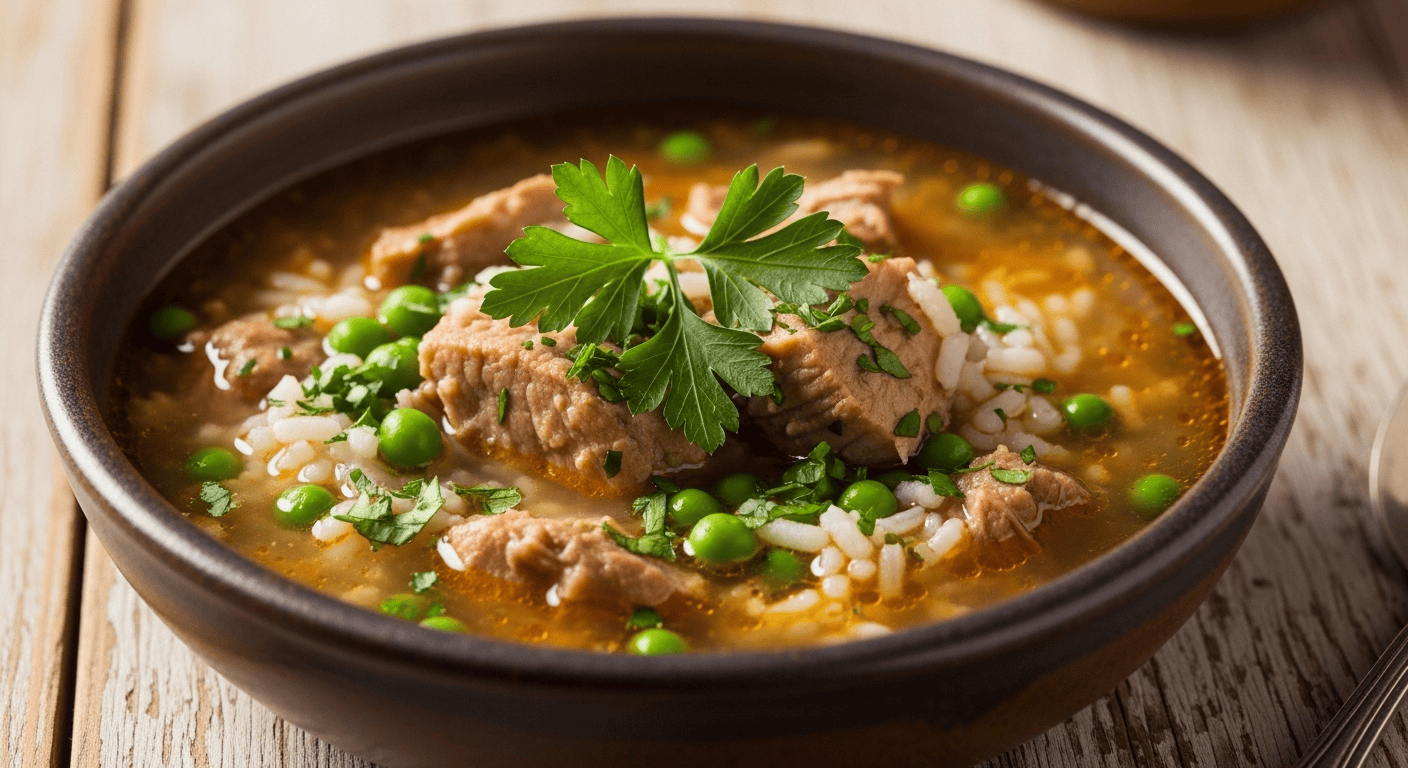
- Season and Serve: Season the soup generously with salt and freshly ground black pepper. Taste and adjust as needed – good seasoning makes all the difference! Ladle into bowls, garnish with fresh parsley or dill, and enjoy this incredibly comforting Leftover Turkey Carcass Soup.
Healthier Alternatives for the Recipe
Making Leftover Turkey Carcass Soup is already a healthy choice, but here are some ways to boost its nutritional value even further:
- Load up on Veggies: Increase the quantity and variety of vegetables in the finished soup. Add leafy greens like spinach or kale during the last 5-10 minutes of cooking. Bell peppers, zucchini, and mushrooms are also great additions.
- Whole Grains or Legumes: Instead of white pasta, use whole wheat pasta, brown rice, quinoa, or even a handful of lentils or cannellini beans for added fiber and protein. If using dried beans or lentils, cook them separately or add them earlier in the simmering process.
- Low-Sodium Broth: By making your own broth, you control the sodium. Be mindful of adding extra salt until the very end, especially if you plan to reduce the soup.
- Leaner Meat: Ensure the leftover turkey meat you’re adding is mostly lean white meat, if possible.
- Herbs and Spices: Amp up the flavor with more fresh herbs like rosemary or sage, or a pinch of smoked paprika, which can reduce the need for excessive salt. Adding a squeeze of lemon juice at the end can also brighten flavors.
Serving Suggestions
Your homemade Leftover Turkey Carcass Soup is a complete meal in itself, but it truly shines with a few thoughtful additions:
- Crusty Bread: A warm, crusty loaf of sourdough or a baguette is perfect for soaking up every last drop of that delicious broth. Garlic bread is also a fantastic option.
- Simple Salad: A light, fresh green salad with a vinaigrette dressing provides a lovely counterpoint to the rich soup.
- Grilled Cheese Sandwich: For the ultimate comfort food pairing, a grilled cheese sandwich and a bowl of turkey soup are simply unbeatable. This classic combo is just as good with turkey as it is with tomato soup!
- Cornbread: A slice of homemade cornbread or cornbread muffins can add a touch of sweetness and texture.
- Garnish Galore: Don’t underestimate the power of a fresh garnish! Freshly chopped parsley, dill, chives, or a dollop of sour cream or Greek yogurt can add both flavor and visual appeal. A sprinkle of Parmesan cheese is also lovely.
If you enjoy hearty, comforting soups like this, you might also love making a traditional Homemade Chicken Soup Recipe. The principles of building a flavorful broth are quite similar, and it’s another fantastic way to utilize ingredients and create something truly special from scratch.
Common Mistakes to Avoid
Even seasoned cooks can make small errors when tackling something like Leftover Turkey Carcass Soup. Here are some common pitfalls to sidestep for the best results:
- Boiling Vigorously: When making the broth, avoid a rolling boil. This can emulsify fats, leading to a cloudy broth, and can also make the broth taste greasy. A gentle simmer is what you’re after – small, lazy bubbles just breaking the surface.
- Not Skimming Scum: Skipping the initial skimming step for the broth can result in a cloudy broth with a less clean flavor. Take the few minutes at the beginning to remove impurities.
- Over-Salting Early: It’s tempting to season the broth right away, but as the broth reduces during simmering, the salt will concentrate. It’s best to add minimal salt initially and then adjust the seasoning in the final soup stage.
- Overcooking Pasta/Vegetables: Nobody likes mushy pasta or limp, flavorless vegetables. Add them at the appropriate time to ensure they’re cooked through but still have some texture. Pasta should be al dente.
- Discarding Roast Turkey Drippings: If you had any pan drippings from roasting your turkey, don’t throw them out! These can be added to the broth for an extra layer of roasted flavor. Just skim off excess fat first.
- Not Using Enough Water for the Carcass: Ensure the turkey carcass is fully submerged. If not, parts won’t contribute to the broth, and you’ll get a less flavorful result.
For additional perspectives and methods, it’s always great to explore how other culinary experts approach this dish. For example, Simply Recipes offers a wonderful take on Mom’s Turkey Soup, which provides another angle on using your holiday bounty wisely.
Storing Tips for the Recipe
Once you’ve made a big batch of Leftover Turkey Carcass Soup, proper storage ensures you can enjoy its comforting flavors for days or even months to come!
- Cool Completely: Always allow the soup to cool down to room temperature before refrigerating or freezing. Placing hot soup directly into the fridge can raise the temperature of other foods and promote bacterial growth.
- Refrigeration: Store the soup in airtight containers in the refrigerator for up to 3-4 days. For optimal freshness, consider storing the broth, cooked turkey, and pasta/rice separately if you anticipate leftovers beyond a day or two. This prevents the pasta from getting mushy.
- Freezing: This soup freezes beautifully! Pour cooled soup into freezer-safe containers or heavy-duty freezer bags, leaving some headspace for expansion. It can be frozen for up to 3-4 months. Label with the date.
- Pro Tip for Freezing: For ultimate convenience, freeze the broth on its own in smaller portions (like ice cube trays for quick additions to other dishes, or 1-2 cup containers for single servings). Then, make fresh soup with the defrosted broth and new pasta/veg when you’re ready.
- Reheating: Reheat frozen soup on the stovetop over medium heat, stirring occasionally, until hot. You may need to add a splash of water or extra broth if it’s thickened too much. If reheating from the fridge, the same method applies.
Troubleshooting Common Issues
Even with the best intentions, sometimes things don’t go exactly as planned. Here are solutions to common Leftover Turkey Carcass Soup issues:
- Broth is Cloudy: This usually happens if the broth was boiled too vigorously or if you didn’t skim off the impurities early on. While it won’t affect the flavor significantly, to clarify it, you can try straining it again through a fine-mesh sieve lined with several layers of cheesecloth. You can also “clarify” it with egg whites: whisk 1-2 egg whites into the cold broth, bring to a gentle simmer (the egg whites will coagulate and trap impurities), then carefully strain.
- Soup is Bland: This is often a sign of under-seasoning. Don’t be afraid to add more salt and pepper! A squeeze of lemon juice or a dash of apple cider vinegar at the end can also brighten flavors. A pinch of dried herbs like thyme or poultry seasoning can boost the savory notes.
- Soup is Too Greasy: If you skipped chilling the broth and skimming the fat, your soup might be a bit greasy. You can gently skim the surface with a spoon or use a fat separator. If it’s already in the finished soup, often the best solution is to serve it with something acidic, like a squeeze of lemon, to cut through the richness.
- Pasta is Mushy: This means the pasta was overcooked. Next time, add the pasta closer to serving time, or cook it separately to al dente and add it to individual bowls before pouring in the hot soup.
- Not Enough Flavor from Carcass: Ensure the carcass was broken down, fully submerged in cold water, and simmered for at least 3-4 hours. Adding a tablespoon of apple cider vinegar also helps draw out minerals and flavor. Make sure you’re getting all the marrow and connective tissue goodness! Serious Eats has some excellent resources on maximizing flavor, like their guide on Roast Turkey Soup, which emphasizes broth quality.
Nutritional Information per Serving
Please note: This is an estimated nutritional breakdown and can vary significantly based on the specific turkey carcass, amount of fat rendered, ingredients used, and portion size.
A typical serving (approximately 1.5 cups) of Leftover Turkey Carcass Soup might contain:
- Calories: 200-280 kcal
- Protein: 15-25g
- Carbohydrates: 20-30g (depending on pasta/grain amount)
- Fat: 5-10g
- Fiber: 3-5g
- Sodium: 400-600mg (highly variable based on added salt)
- Key Nutrients: Excellent source of B vitamins (from turkey), vitamin A (carrots), and various minerals from the bone broth (calcium, magnesium, phosphorus).
This soup is a fantastic source of lean protein and essential nutrients, making it a very nourishing meal, especially after the indulgences of a holiday feast.
FAQ
Q: Can I use a raw turkey carcass instead of a roasted one?
A: While you technically could use a raw turkey carcass, a roasted carcass will yield a much richer, deeper flavored broth. The roasting process caramelizes the bones and any residual meat, adding complex flavors you won’t get from raw. We highly recommend using a roasted one for the best Leftover Turkey Carcass Soup.
Q: What if I don’t have enough turkey meat left for the soup?
A: No problem! The beauty of this soup is in the broth. You can simply omit the extra turkey meat or supplement with some shredded chicken or even a can of drained cannellini beans for added protein. The soup will still be incredibly flavorful.
Q: Can I make this soup vegetarian or vegan?
A: Unfortunately, no, as the core of this recipe relies on a turkey carcass for its rich broth. However, you could adapt the concept to make a delicious vegetable broth-based soup with similar vegetables and herbs. But for a true Leftover Turkey Carcass Soup, the turkey bones are essential!
Q: Is apple cider vinegar really necessary for the broth?
A: It’s optional but highly recommended! A tablespoon of apple cider vinegar helps to leach minerals and collagen from the turkey bones into the broth, resulting in a more nutrient-dense and flavorful broth. You won’t taste the vinegar in the final product.
Q: How can I make my broth extra rich and gelatinous?
A: For a more gelatinous broth, ensure you’re simmering for the full 4-5 hours (or even longer, up to 6-8 hours on low). Including turkey feet or neck bones, if you have them, will also significantly boost the gelatin content. A longer, slow simmer is key to breaking down the collagen in the bones.
If you enjoy preparing hearty, comforting soups and want to explore other delicious options, take a look at our recipe for Creamy Broccoli Cheese Soup. It’s a completely different flavor profile but equally satisfying!
Conclusion
There you have it – the ultimate guide to transforming your holiday leftovers into a truly spectacular Leftover Turkey Carcass Soup. This recipe is more than just a meal; it’s a testament to good, honest cooking, the joy of resourcefulness, and the incredible comfort of a homemade bowl of soup. From the rich, savory broth to the tender vegetables and comforting pasta, every spoonful is a warm hug.
We hope you enjoy making this soup as much as we do, and that it becomes a cherished post-holiday tradition in your home. It’s a wonderful way to extend the flavors of your feast and nourish your family. Don’t let that carcass go to waste; let it become the star of your next culinary masterpiece! We’d love to hear how your soup turned out, so please leave a comment below with your feedback or any variations you tried. And if you loved this recipe, please share it on Pinterest or with friends! You can easily save this very recipe to your favorites or print it out for future use by checking out the full details here: Leftover Turkey Carcass Soup.