Best Roasted Pork Tenderloin Plum Sauce | Tyla’s Kitchen
Juicy roasted pork tenderloin with sweet plum sauce – an easy one pan pork recipe ready in 30 minutes. Perfect weeknight dinner with homemade plum sauce recipe for pork.
Prep
15 min
Cook
25 min
Total
40 min
Servings
4 servings
Ingredients
Instructions
- 1
Pat pork tenderloins dry with paper towels and trim any silver skin.
- 2
Combine salt, black pepper, garlic powder, and dried thyme. Rub mixture evenly over pork.
- 3
Heat olive oil in large oven-safe skillet over medium-high heat until shimmering.
- 4
Sear pork for 2-3 minutes per side until browned on all sides.
- 5
Transfer skillet to preheated 400°F (200°C) oven and roast for 15-20 minutes until internal temperature reaches 145°F (63°C).
- 6
Remove pork from oven, transfer to cutting board, tent with foil, and let rest 5-10 minutes.
- 7
Combine chopped plums, chicken broth, apple cider vinegar, brown sugar, soy sauce, ginger, garlic, and red pepper flakes in saucepan.
- 8
Bring to simmer over medium heat, then reduce to low, cover, and simmer 10-15 minutes until plums are soft.
- 9
Mash plums with fork or potato masher, or blend for smoother sauce.
- 10
Whisk cornstarch with cold water until smooth, then stir into simmering sauce.
- 11
Cook 1-2 minutes until sauce thickens and becomes glossy. Adjust seasonings to taste.
- 12
Slice rested pork into 1/2 to 3/4 inch thick medallions.
- 13
Arrange pork on platter or plates and spoon warm plum sauce over top.
- 14
Serve immediately.
Notes
Tips for Success
- Elegant enough for special occasions but simple enough for weeknights
- Vibrant, sweet-tart homemade plum sauce
- Tender, perfectly roasted pork
- One-pan efficiency when planned properly
Common Mistakes to Avoid
- Pork can dry out quickly if overcooked
- Silver skin must be trimmed to avoid toughness
- Plum sauce consistency can vary based on plum ripeness
- Requires careful temperature monitoring
Nutrition (per serving)
350 calories
Calories
Is there anything more satisfying than a meal that feels fancy but is secretly super easy? Today, we’re diving headfirst into one of those magical dishes: the absolute best roasted pork tenderloin plum sauce you’ll ever make. This recipe takes succulent pork tenderloin, perfectly roasted to tender perfection, and pairs it with a vibrant, sweet-tart homemade plum sauce that will have your taste buds singing. It’s elegant enough for a special occasion but simple enough for a busy weeknight, making it a true kitchen hero.
Table of Contents
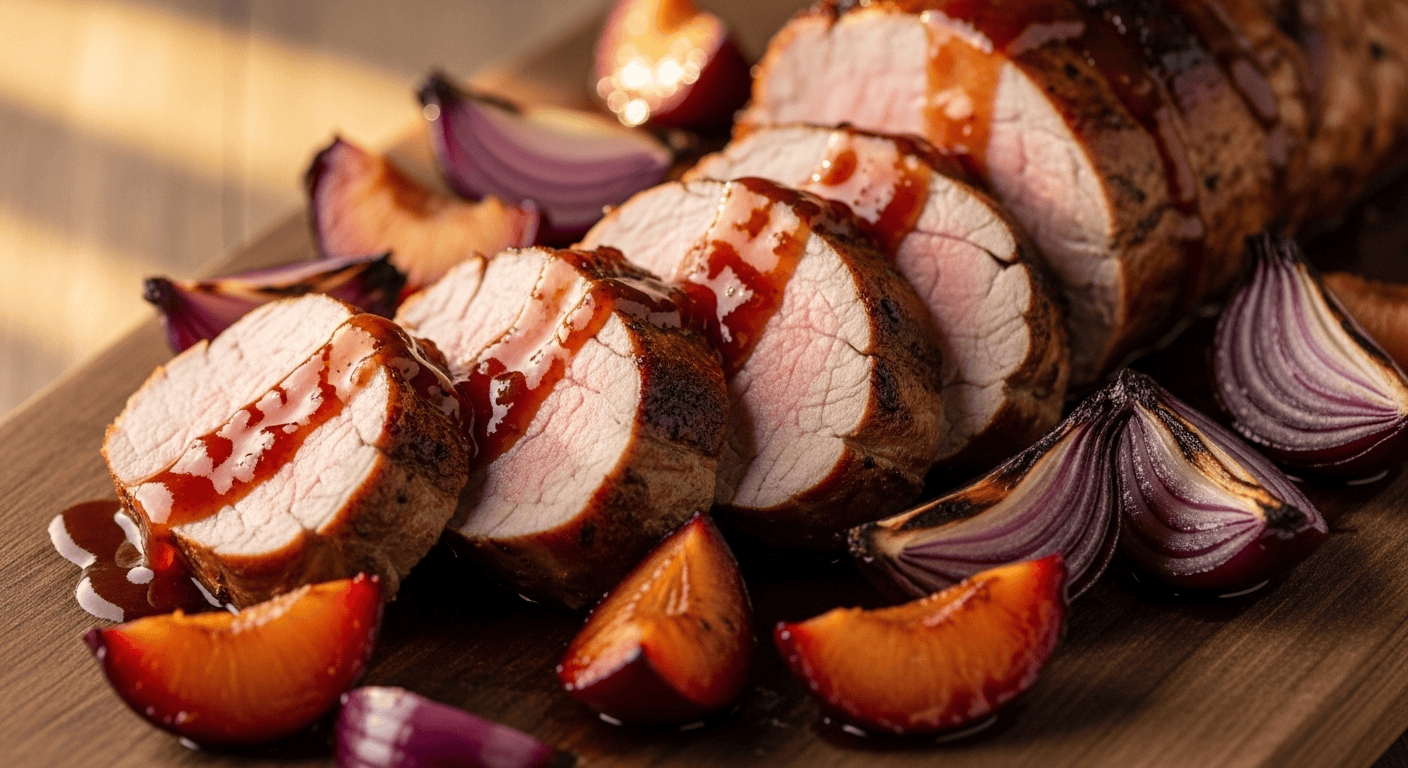
This isn’t just a meal; it’s an experience. Imagine tender slices of pork, slightly caramelized on the outside, bathed in a glossy, rich plum sauce that hits all the right notes of sweet, savory, and a hint of tang. The beauty of this particular roasted pork tenderloin plum sauce recipe lies in its simplicity. It’s truly a one pan pork recipe if you plan it right, cutting down on dishes and giving you more time to enjoy your delicious creation. Get ready to impress yourself and everyone at your table with minimal effort and maximum flavor! For the full printable recipe and more details, don’t forget to check out our detailed guide right here: Roasted Pork Tenderloin Plum Sauce.
Ingredients
Gathering your ingredients is the first step to culinary success! Here’s what you’ll need for this incredible roasted pork tenderloin plum sauce, along with a few notes on why each component matters.
For the Pork Tenderloin:
- 2 pounds pork tenderloin: Look for two smaller tenderloins rather than one large one. They cook more evenly and stay more tender. If they come with a silver skin, trim it off – this sinew can become tough and chewy when cooked.
- 1 tablespoon olive oil: For searing and roasting, adds flavor and helps with browning.
- 1 teaspoon salt: Kosher salt is preferred for its coarse texture and even seasoning.
- 1/2 teaspoon black pepper: Freshly ground black pepper makes a huge difference!
- 1/2 teaspoon garlic powder: Adds a foundational savory note that complements the pork beautifully.
- 1/4 teaspoon dried thyme: Earthy and aromatic, it pairs wonderfully with pork and fruit.
For the Homemade Plum Sauce Recipe for Pork:
- 1 pound fresh plums (about 4-5 medium), pitted and chopped: Any type of plum works – red, black, or even pluots. The riper, the better for sweetness. If fresh plums aren’t in season, frozen plums (thawed) can be a great substitute.
- 1/2 cup chicken broth (low sodium): Forms the base of the sauce, adding depth without overpowering.
- 1/4 cup apple cider vinegar: Provides the essential tang to balance the sweetness of the plums.
- 2 tablespoons brown sugar (packed): Enhances the natural sweetness of the plums and adds a molasses note. Adjust to your taste, depending on the sweetness of your plums.
- 1 tablespoon soy sauce (low sodium): A secret ingredient for umami and a touch of savory depth.
- 1 teaspoon fresh ginger, grated: Adds a warm, zesty kick that brightens the sauce. Don’t skip this for the authentic flavor!
- 1 clove garlic, minced: Another layer of aromatic flavor.
- 1/4 teaspoon red pepper flakes (optional): For a subtle hint of heat that really makes the flavors pop. Adjust to your spice preference.
- 1 tablespoon cornstarch (mixed with 2 tablespoons cold water): Our thickening agent to get that perfect glossy consistency for the plum sauce recipe for pork.
Timing
Getting your timing right is crucial for perfectly cooked pork tenderloin and a well-balanced plum sauce recipe for pork. Here’s a breakdown to help you plan:
- Prep time: 15 minutes
- This includes trimming the pork, chopping plums, grating ginger, mincing garlic, and measuring out all your spices and liquids. “Mise en place” (everything in its place) truly makes cooking smoother and faster.
- Cook time: 20-25 minutes
- The pork itself roasts relatively quickly. The sauce will simmer while the pork cooks, making this a truly efficient one pan pork recipe.
- Total time: 35-40 minutes
Time-Saving Tips:
- Prep Ahead: Chop your plums, grate ginger, and mince garlic the day before. Store them in airtight containers in the fridge.
- Double the Sauce: Make a larger batch of the plum sauce. It freezes beautifully and is fantastic on other proteins like chicken or duck.
- Use Frozen Plums: If fresh plums aren’t available or you’re short on time for pitting, use a bag of thawed frozen pitted plums. They work just as well in the sauce.
- One-Pan Strategy: After searing the pork in an oven-safe skillet, you can transfer the whole skillet to the oven. While it roasts, you can start the plum sauce in a separate saucepan. This simultaneous cooking helps get dinner on the table faster. For another fantastic one-pan meal that makes weeknights a breeze, check out our One-Pan Mediterranean Chicken Meatballs.
Step-by-Step Instructions
Let’s get cooking! Follow these steps for the most tender roasted pork tenderloin plum sauce you’ve ever had. Remember, cooking should be fun, so don’t be afraid to taste and adjust as you go!
1. Prepare the Pork Tenderloin:
- Pat the pork tenderloins dry with paper towels. This is crucial for getting a good sear!
- Trim any silver skin or excess fat.
- In a small bowl, combine salt, black pepper, garlic powder, and dried thyme. Rub the mixture evenly over the pork tenderloins.
2. Sear the Pork:
- Heat olive oil in a large, oven-safe skillet (cast iron works great!) over medium-high heat until shimmering.
- Carefully add the seasoned pork tenderloins to the hot skillet. Sear for 2-3 minutes per side, turning until browned on all sides. This creates a delicious crust and locks in juices.
3. Roast the Pork:
- Once seared, transfer the skillet directly to a preheated oven at 400°F (200°C).
- Roast for 15-20 minutes, or until an instant-read thermometer inserted into the thickest part of the tenderloin reads 145°F (63°C).
- Important: Pork tenderloin cooks quickly! Overcooking will make it dry. A slight pink in the center is perfectly safe and desirable for juicy pork.
- Once cooked, remove the pork from the oven and transfer it to a cutting board. Tent loosely with foil and let it rest for at least 5-10 minutes. This resting period allows the juices to redistribute, ensuring a tender and moist final product.
4. Make the Plum Sauce:
- While the pork is roasting and resting, you can start on your glorious plum sauce recipe for pork. In a medium saucepan, combine chopped plums, chicken broth, apple cider vinegar, brown sugar, soy sauce, grated ginger, minced garlic, and red pepper flakes (if using).
- Bring the mixture to a simmer over medium heat, stirring occasionally.
- Reduce heat to low, cover, and let it simmer for 10-15 minutes, or until the plums are very soft and starting to break down.
- Use a fork or a potato masher to mash the plums directly in the saucepan. For a smoother sauce, you can carefully transfer the mixture to a blender or use an immersion blender until desired consistency is reached. Be careful when blending hot liquids!
- In a small bowl, whisk together cornstarch and cold water until smooth.
- Stir the cornstarch slurry into the simmering plum sauce. Continue to cook and stir for 1-2 minutes until the sauce thickens and becomes glossy.
- Taste and adjust seasonings as needed. You might want a little more sugar, a splash more vinegar, or even a pinch more salt depending on the sweetness of your plums.
5. Serve:
- Slice the rested pork tenderloin into thick medallions (about 1/2 to 3/4 inch thick).
- Arrange the sliced pork on a platter or individual plates. Spoon a generous amount of the warm plum sauce recipe for pork over the top. Serve immediately and prepare for compliments!
Healthier Alternatives for the Recipe
Making small adjustments can often lead to a dish that’s just as delicious but better for you. Here’s how you can tweak your roasted pork tenderloin plum sauce to fit a healthier lifestyle:
- Reduce Sugar in Sauce: Plums are naturally sweet. Start with half the brown sugar and taste the sauce before adding more. You might find you need less, especially if your plums are very ripe. A touch of a sugar substitute like erythritol or stevia can also be used, but be mindful of the flavor impact.
- Leaner Cuts: Pork tenderloin is already a very lean cut of meat, making it an excellent choice! If you’re looking for other lean protein options, chicken breast or turkey tenderloin would also pair beautifully with this plum sauce.
- Lower Sodium: Opt for low-sodium chicken broth and soy sauce. You can also reduce the added salt in the pork seasoning, relying more on herbs and spices for flavor.
- More Veggies: Roast some root vegetables like carrots, parsnips, or sweet potatoes alongside the pork in the same pan for an even more wholesome one pan pork recipe. They can absorb some of the delicious pork juices!
- Grain-Free Thickener: If you’re avoiding cornstarch, you can try arrowroot powder (use about half the amount of cornstarch) or simply reduce the sauce by simmering it longer until it naturally thickens. The texture might be slightly different, but the flavor will still be fantastic.
- Explore Other Pork Tenderloin Options: For a different take on pork tenderloin that’s equally healthy and delicious, consider trying a Prosciutto-Wrapped Pork Tenderloin recipe for a flavorful, low-carb meal.
Serving Suggestions
The beauty of roasted pork tenderloin plum sauce is its versatility. It can be the star of a casual family dinner or the centerpiece of an elegant feast. Here are some ideas to complete your meal:
- Classic Comfort: Pair with creamy mashed potatoes or a fluffy rice pilaf to soak up all that incredible plum sauce.
- Vibrant Vegetables: Roasted asparagus, green beans almondine, or steamed broccoli florets are perfect choices. Their slight bitterness or freshness provides a wonderful contrast to the rich sauce. A simple mixed green salad with a light vinaigrette also works well.
- Hearty Grains: Consider serving alongside quinoa, couscous, or even farro for a more wholesome and textured side.
- Sweet Potato Twist: Roasted sweet potato wedges or a sweet potato mash offer a complementary sweetness that enhances the plum sauce.
- Bread Service: Don’t underestimate a good crusty bread to mop up any leftover sauce!
- Wine Pairing: For a truly elevated experience, pair this dish with a light-bodied red wine like Pinot Noir, which has fruity notes that harmonize with the plum, or a crisp, dry Riesling that can cut through the richness.
- Holiday Flair: This dish feels special enough for holidays. Add a sprinkle of fresh chopped parsley or chives over the top for a pop of color before serving. It’s a great alternative to traditional roasts. If you’re looking for more inspiration on how to serve this popular dish, some sources like Taste of Home offer additional creative serving suggestions that might spark your imagination.
Common Mistakes to Avoid
Even seasoned home cooks can slip up! Here are some common pitfalls to watch out for when making roasted pork tenderloin plum sauce to ensure your dish is always a success:
- Not Trimming Silver Skin: This silvery membrane on the pork tenderloin won’t break down during cooking and will result in a tough, chewy texture. Always trim it off with a sharp knife before seasoning.
- Skipping the Sear: Searing the pork tenderloin before roasting creates a beautiful caramelized crust (the Maillard reaction) that adds incredible flavor and texture. Don’t skip this step!
- Overcooking the Pork: This is the most common mistake with pork tenderloin. It’s a lean cut, so it dries out quickly. Use an instant-read thermometer and remove the pork when it reaches 145°F (63°C). Remember, it will continue to cook slightly while resting.
- Not Resting the Pork: Resting allows the juices within the meat to redistribute, ensuring a tender and moist result. If you slice it immediately, all those delicious juices will run out onto your cutting board, leaving you with dry pork.
- Under-Seasoning the Pork: Pork tenderloin needs a good amount of seasoning to truly shine. Don’t be shy with the salt, pepper, and herbs.
- Skipping Fresh Ginger: While dried ginger can be used in a pinch, fresh grated ginger in the plum sauce provides an unparalleled bright, zesty, and aromatic flavor that is truly essential to this plum sauce recipe for pork.
- Not Mashing/Blending the Plums Enough: For a silky smooth sauce, ensure the plums are fully broken down. A potato masher works well for a rustic texture, but a blender or immersion blender will give you that restaurant-quality smoothness. For another perspective on perfecting plum sauce and avoiding common pitfalls, you might find tips on Allrecipes, such as in this recipe for Roasted Pork Tenderloin with Fresh Plum Sauce.
Storing Tips for the Recipe
Proper storage ensures your leftover roasted pork tenderloin plum sauce stays delicious and safe to eat.
- Cool Quickly: Allow the cooked pork and plum sauce to cool down to room temperature within two hours of cooking. Do not leave them out longer than that.
- Separate Storage: While they are delicious together, storing the sliced pork and the plum sauce separately in airtight containers can sometimes prolong freshness and allow you to reheat them individually.
- Refrigeration: Store both the pork and the plum sauce in separate airtight containers in the refrigerator for up to 3-4 days.
- Freezing:
- Pork: Leftover cooked pork tenderloin can be frozen. Wrap individual slices tightly in plastic wrap, then place them in a freezer-safe bag or container. It’s best eaten within 2-3 months for optimal quality.
- Plum Sauce: The plum sauce freezes exceptionally well! Transfer it to a freezer-safe container or even ice cube trays for individual portions. It can be frozen for up to 3-4 months. Thaw overnight in the refrigerator before reheating.
- Reheating:
- Pork: For best results, gently reheat sliced pork tenderloin in a skillet with a splash of broth or water over low heat until warmed through. You can also warm it gently in the microwave, but be careful not to overcook and dry it out.
- Sauce: Reheat plum sauce in a small saucepan over low to medium heat, stirring occasionally, until hot. If it has thickened too much in the fridge, you can thin it with a tablespoon or two of water or broth.
Troubleshooting Common Issues
Even with the best instructions, sometimes things don’t go exactly as planned. Here’s how to troubleshoot common issues you might encounter with your roasted pork tenderloin plum sauce:
- Pork is Dry:
- Cause: Likely overcooked. Pork tenderloin is lean and cooks fast.
- Solution: For next time, use an instant-read thermometer and pull the pork at 145°F (63°C). For the current batch, slice it thinly and drench it generously in the warm plum sauce to add moisture.
- Plum Sauce is Too Thin:
- Cause: Not enough cornstarch, or it wasn’t cooked long enough after adding the slurry.
- Solution: Make another small cornstarch slurry (1 tsp cornstarch mixed with 2 tsp cold water) and slowly whisk it into the simmering sauce. Cook for another minute or two, stirring, until it reaches your desired thickness.
- Plum Sauce is Too Thick:
- Cause: Cooked too long, or too much cornstarch.
- Solution: Whisk in a tablespoon at a time of chicken broth, water, or even a little more apple cider vinegar until the sauce thins to your preferred consistency.
- Plum Sauce is Too Sweet:
- Cause: Very ripe plums, or too much added sugar.
- Solution: Add a splash more apple cider vinegar or a squeeze of fresh lemon juice to balance the sweetness with acidity. A tiny pinch of salt can also help cut the sweetness.
- Plum Sauce is Too Tart/Sour:
- Cause: Under-ripe plums, or too much vinegar.
- Solution: Stir in a little more brown sugar, a pinch at a time, until the balance is right. You can also add a small amount of honey.
- Pork is Not Browning Well:
- Cause: Skillet wasn’t hot enough, or pork wasn’t patted dry.
- Solution: Ensure your skillet is screaming hot before adding the pork. Patting the pork very dry is key to achieving that beautiful crust. If it’s already in the oven, it won’t brown much more, but the flavor will still be there. For general tips on achieving a perfect roast and ensuring even cooking, resources like Our Best Bites offer good foundational advice.
Nutritional Information per Serving
- Serving Size: Approximately 4 oz pork with 2 tablespoons plum sauce
- Calories: 320-380 calories
- Protein: 35-40g
- Carbohydrates: 20-25g
- Fat: 12-15g (saturated fat: 4-5g)
- Fiber: 2-3g
- Sodium: 400-500mg (can be reduced with low-sodium ingredients)
- Key Nutrients: Excellent source of Niacin, Vitamin B6, Phosphorus, Selenium, and Zinc. Contains Vitamin C and Potassium from the plums.
Please note: These are estimated nutritional values and can vary based on specific ingredient brands, cooking methods, and portion sizes. For precise nutritional information, it is recommended to use an online nutritional calculator with your exact ingredients.
FAQ
Q1: Can I use frozen plums for the plum sauce?
Absolutely! If fresh plums aren’t in season or readily available, thawed frozen plums work perfectly well for the sauce. Just make sure they are pitted before chopping.
Q2: Do I have to sear the pork tenderloin before roasting?
While technically you can skip the sear, it’s highly recommended not to. Searing creates a beautiful, flavorful crust on the outside of the pork through a process called the Maillard reaction. This adds a depth of flavor and texture that you’d miss out on if you went straight to roasting.
Q3: How do I know when the pork is perfectly cooked?
The best way is to use an instant-read meat thermometer. Insert it into the thickest part of the tenderloin. Pork is done when it reaches an internal temperature of 145°F (63°C). It will be slightly pink in the center, which is safe and ensures maximum juiciness. Always let it rest for 5-10 minutes after cooking.
Q4: Can I make the plum sauce ahead of time?
Yes, the plum sauce is fantastic for making ahead! You can prepare it up to 3-4 days in advance and store it in an airtight container in the refrigerator. It can also be frozen for longer storage (up to 3-4 months). Reheat gently on the stovetop, adding a splash of water or broth if it’s too thick.
Q5: What if I don’t have apple cider vinegar?
While apple cider vinegar gives a unique tang, you can substitute it with white wine vinegar or even rice vinegar in a pinch. Start with slightly less and taste, as their acidity levels can vary. Lemon juice can also add brightness.
Conclusion
And there you have it – a show-stopping roasted pork tenderloin plum sauce that delivers on both flavor and ease. This recipe proves that you don’t need hours in the kitchen to create something truly delicious and impressive. The tender, perfectly cooked pork paired with that vibrant, sweet-tart plum sauce recipe for pork is a match made in culinary heaven. It’s a fantastic one pan pork recipe that you’ll want to add to your regular rotation, whether for a quick weeknight dinner or a special gathering.
So, go ahead, gather your ingredients, follow these simple steps, and get ready to enjoy a meal that’s bursting with flavor. We can’t wait to hear how it turns out for you! Don’t forget to leave a comment below with your thoughts, and if you loved this recipe, please share it on Pinterest and tag us in your photos. Happy cooking!
Why This Roasted Pork Tenderloin Works
Searing the tenderloin in a hot oven-safe pan before it goes into the oven builds a crust that seals the surface and adds the Maillard flavor that roasting alone cannot provide. Pork tenderloin is very lean — it overcooks fast, and the window between perfectly juicy and dry is about 5 minutes. Pull it at 145°F internal temperature and let it rest tented under foil for 10 minutes; the temperature will climb another 3–5 degrees and the juices will redistribute throughout the meat. The plum sauce benefits from a splash of balsamic — it deepens the fruitiness and adds the slight tartness that prevents the sauce from tasting too sweet.